15 Billionaire Romance Books BookTok Is Obsessed With 2026
Billionaire romance on BookTok runs on five tropes in 2026 — hidden identity, fake marriage, wounded hero, rich-and-poor, single dad. 15 books, where to start.
Contents
BookTok's billionaire-romance corner doesn't run on one shape. It runs on five, and each one is popular for a different reason. Hidden identity rewards readers who like dramatic irony. Fake marriage gives the genre a built-in countdown. Wounded hero is finally being written without the heroine being assigned the fixer role. Rich-man-poor-woman has absorbed the tabloid era and grown teeth. And single-dad billionaire pulls in readers who want romantic stakes plus a child whose wellbeing is genuinely on the table.
Most readers already know these beats by heart. What's worth looking at is how differently the same familiar story can land — same shape, different mood, different stakes.
Hidden identity — the billionaire romance trope BookTok can't quit
The hidden-identity billionaire is the strongest engine in this subgenre right now, and the reason is structural: the reader knows before the heroine does. Every scene becomes a slow-motion reveal. The board-meeting moment where Lily Cole's anonymous Paris stranger is introduced as Aiden Marlowe — that's the kind of beat BookTok has been clipping by the hundreds all year.

The Bodyguard
An executive bodyguard takes an undercover assignment as the actor she's protecting. The man at the door of the family ranch isn't who she expected him to be, and she isn't who he was warned to expect. Closed-door, lit-fic-accessible, the reveals land like a sigh, not a gasp.
Katherine Center sits at the lit-fic-accessible end of the spectrum. Closed-door, charming, the reveals more rueful than seismic. A good calibration before you go for the heavier stuff.
№ 02
One Night in Paris, Forever in His Heart
A Paris meet-cute with no last names, then he walks into her office as Aiden Marlowe — billionaire heir, new power player, and the man she'd already decided to forget. Our most-read hidden-identity title, and the one I'd hand any reader new to the trope first.
Read on Great Novels →Where Center plays it gently, this one plays for the boardroom-reveal high. Same engine, much sharper teeth, and the cleanest demonstration I can point you to of why the setup still works.
№ 03
The Sunflower Heir
The cozy variant. A burnt-out corporate exec is hiding in a sleepy village as the quiet landlord with muddy boots — until his agribusiness empire's deal-or-die deadline drags the real him back into the room. Slow-burn hidden identity is a register more writers should be working in, and this is one of the few who actually pulls it off.
Read on Great Novels →And then there's the cozy version, which barely anyone writes well. No glass conference room — the reveal here is a sunflower farm and a man named Clay who, it turns out, owns the agribusiness empire she's been hiding from.
Fake marriage — billionaire romance's favorite contract setup
Fake marriage works because it bundles three problems into one premise: a deadline, forced proximity, and a built-in lie that has to break. The shape shifted in 2026 though, and honestly it hasn't been enough on its own for two years. Readers want the contract to mean something outside the two people signing it — a corporate board, an inheritance, a custody fight. The premise has to drag in stakes from the outside world.
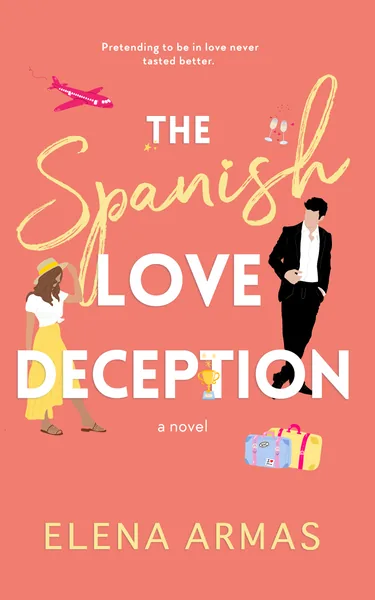
The Spanish Love Deception
Fake-dating workplace romance that went viral on BookTok and stayed viral. An engineer needs a date for her sister's wedding in Spain; the office nemesis volunteers. Closed-door enough for the trope to do its work, sharp enough that the workplace tension doesn't go missing on the trip.
Elena Armas is technically fake-dating, not fake-married, but she's why a generation of BookTok readers know this setup's beats. The workplace tension and the slow capitulation are the through-line.
№ 05
Borrowed Bride of the Hale Dynasty
Fake marriage with three extra problems stacked on top — a Hollywood lookalike scandal, a missing diary, and a billionaire heir who needs the tabloid noise to die in thirty days or he loses his name. The contract is the least complicated thing in the book, and that's exactly the point.
Read on Great Novels →The maximalist build on this list. Where Armas keeps the lie clean and contained, this one piles three more crises on top of the wedding-night premise — a doppelganger, a missing diary, an inheritance clock — and asks the reader to track all of them at once. It mostly pulls it off. The fake-marriage clause itself ends up being the calmest contract Mara signs in the whole novel, which is the kind of inversion the subgenre needs more of.
№ 06
One Year to Hate You Less
Enemies-to-lovers with the dial turned hard the other way. She's spent two years building a private vocabulary of names for her boss before his grandfather's will boxes him into proposing the year-long paper marriage. Twelve months, one signature, no feelings, and we all know how this ends.
Read on Great Novels →Same paper-marriage scaffolding, opposite emotional temperature. The enemies-to-lovers wiring does the heavy lifting here — Ava has been quietly hating Theo for two years before the inheritance lawyer drops the twelve-month clause on the table — and the contract becomes the locked room that forces the slow thaw. The signature on page forty isn't the engine. The shared apartment is.
Wounded billionaire — the crack only she can see
The cold-MMC era is over. What readers want now is specific damage — corporate betrayal, family loss, illness, the particular shape of being publicly successful and privately bleeding. The heroine's job isn't to fix him. It's to see him clearly when no one else does. Harder to write than it sounds, and the books that pull it off are the ones BookTok keeps re-recommending.
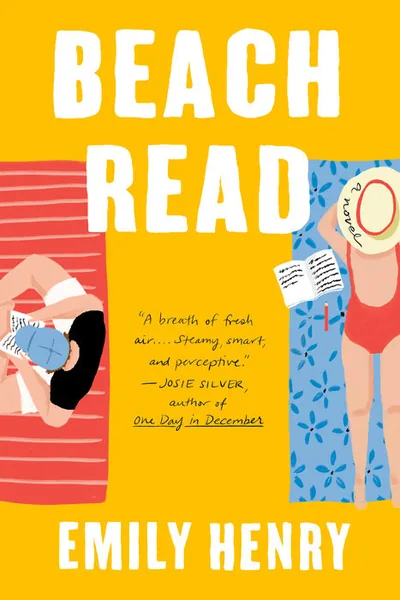
Beach Read
Two writers, neighbors in adjacent beach houses, swap genres for the summer to break their respective creative blocks. Closed-door, character-first, and the textbook wounded-hero romance that refuses to ask the heroine to fix anyone. The trope without the fixer-arc, finally.
Emily Henry's wounded writer is the clean version of the setup. Closed-door, character-driven, no rescue arc. He doesn't get fixed. He gets seen. Most authors writing wounded hero still skip that distinction, and it's the whole reason the shape works.
№ 08
Midnight Wife to the Broken Billionaire
He collapses into Mia's diner booth at 4:12 a.m. in a blood-soaked designer suit. By sunrise the world's most reclusive tech billionaire is at her door offering a three-week fake engagement to hold off a corporate coup that wants him declared mentally unfit. He doesn't need fixing. He needs witnessing, and a working alibi.
Read on Great Novels →A bleeding tech billionaire collapsing into a diner booth at 4 a.m. is a more theatrical setup than Henry's, obviously. But the emotional shape underneath is the same. Grayson isn't asking Mia to save him — he needs someone in his corner while a corporate coup tries to declare him mentally unfit. The fake engagement is the shield.
№ 09
The Billionaire’s Bait
Wounded hero refracted through a love triangle that isn't actually a love triangle. Tessa stumbles into proof of her billionaire boss Adrian's crimes; he rebrands her as his protected asset and assigns scarred ex-con Jaxon to guard her. Adrian is the wound, Jaxon is the room she heals in. Morally grey without going feral.
Read on Great Novels →The grey-area version. The wounded man you actually ache for is Jaxon — the scarred ex-con guarding Tessa from Adrian, the boss whose crimes she just stumbled into. Two damaged men with opposite loyalties, one woman caught between them. The book doesn't owe Adrian a redemption arc, and it doesn't deliver one.
Rich man, poor woman — the Cinderella shape of billionaire romance now
The Cinderella reverse never dies, but the shape has moved in the last couple of years. The heroine doesn't want a makeover anymore. She doesn't want to assimilate into his world. The arc that lands now is being seen as herself — without the dress, without the boardroom polish, scandal arc and all. Tabloid pile-ons aren't optional in this subgenre now. They show up because they reflect anxieties readers already carry.

Practice Makes Perfect
A small-town wedding florist enlists a country-music star to be her practice boyfriend before she puts herself back on the market. Closed-door, low-stakes on paper, surprisingly weighty in the middle. Sarah Adams is BookTok's reigning closed-door author and this is her cleanest demonstration of why.
Sarah Adams is BookTok's standard closed-door author and Practice Makes Perfect is her cleanest example. The class element is soft, the pacing is patient, and when the scandal hits it stays proportionate. A useful baseline for how clean the setup can run when the writer wants it to.
№ 11
The Billionaire She Saved by Accident
Reversed meet-cute. She drags him out of traffic before either of them knows the other's name; he decides she just saved his destiny; she decides he's a chaos magnet in couture. His mother is, predictably, a problem. The power dynamic is flipped before page one and the book never lets us forget it.
Read on Great Novels →Read this one second, after the Adams baseline, because the contrast is the point. Adams keeps the class element soft; here Mira gets the rescue line first and never gives it back. The scandal arc is sharper, the mother-in-law subplot is louder, and the heroine refuses the makeover scene three separate times. A useful proof that the rich-man-poor-woman dynamic doesn't have to soften the woman to work.
№ 12
The Temporary Cinderella
Ella's badge is the lime-green temp color and she's been told three times where the bathroom is. Then she fixes a broken analytics model overnight because no one told her not to, and CEO Asher West notices. Slow-burn office politics carries this one as hard as the romance does, which is the right call.
Read on Great Novels →The slow-burn cousin of the previous title, and the one to pick if the workplace setup is what drew you to the subgenre in the first place. The office-politics scaffolding here does as much work as the romance, which is the rarer build — most temp-to-permanent fakeouts let the love interest flatten the antagonist subplot by chapter ten. This one doesn't. The jealous star analyst stays sharp through the back half, and Asher's noticing arc takes the long road on purpose.
Single-dad billionaire — the kid changes everything
The single-dad billionaire setup has been climbing for a couple of years because the emotional payload comes pre-loaded. A child's wellbeing is on the table. Found-family arcs land harder. Readers who've outgrown wanting pure infatuation pick these up for stakes that aren't just romantic, and writers have noticed.

Things We Never Got Over
A bar owner becomes unwilling guardian to his estranged twin's daughter, and the runaway bride who walked into his bar last night isn't leaving town. Not strictly a single-dad-billionaire book, but the trope shape — ordinary man, custody of a kid he wasn't expecting, a woman who decides she's staying — is exactly what readers find the single-dad shelf for.
Lucy Score's bar owner isn't strictly a billionaire and the kid isn't strictly his — he's the unwilling guardian to his twin's daughter. But the shape is identical: ordinary man, custody he didn't ask for, a woman who decides she's staying. The BookTok-canonical entry point for this kind of story, and the right book to start with if you've never tried the sub-shelf.
№ 14
Markers, Moonlight, and a Billionaire’s Promise
The wholesome variant. An art teacher and a quietly grieving tech billionaire fake-engage to keep custody of his niece — a little girl who decides, unilaterally, that Mila should be her real aunt. Found family with stakes that are not just romantic, and the niece running the show is the detail that makes it work.
Read on Great Novels →The wholesome execution of this lane, and the one to read before the next title rather than after. Lily is six, she has opinions, and the book lets her have them — she's not the prop the adults negotiate around, she's the third party at the table. Custody is the actual stake here; the romance is downstream of it. If the single-dad setup has been losing you because the kid keeps disappearing for three chapters at a time, this is the corrective.
№ 15
Hired to Protect the Wrong Heart
And then the same trope, weaponized. Brooke moves into a glass-and-steel mansion as live-in nanny to silent little Jamie. Then she finds a hospital bracelet listing her as his mother and her blackouts start making chilling sense. Single dad plus amnesia plus hidden identity. The trope opens onto a psychological thriller and I am not mad about it.
Read on Great Novels →Closing the list because the pivot it pulls deserves the anchor slot. Around chapter five the wholesome single-dad setup splinters and you're suddenly inside a psychological thriller — amnesia, identity theft, a child who knows something the adults don't. If the previous title is the wholesome read of this lane, this is the version where the same beats run through Gone Girl gears instead of Hallmark ones. Read these two back to back and the contrast does most of the work.
These five engines aren't the whole map — billionaire romance also spills into mafia overlap, second-chance, contract marriage with a darker spin, and a few other corners I'll get to in separate pieces. But these are the loudest five in 2026, and any one of them is a decent place to spend an evening.
Find your next obsession
Hundreds of serialized novels. Read free, one chapter at a time.
FAQ