What Is Enemies to Lovers? The Trope Explained
Why the most-requested setup in romance still works: what enemies to lovers actually needs, the difference between real conflict and banter, and where to start.
Ask a room full of romance readers for their most-wanted setup and the same answer keeps surfacing. Enemies to lovers has topped every reader poll for years, and it isn't slowing down. The reason is simple math: the further apart two people start, the longer and more satisfying the fall.
But the label gets stuck on a lot of books that haven't earned it. A hero who's mildly rude for two chapters is not an enemy. Understanding what the setup actually requires is the difference between a story that lands and one that just borrows the marketing.
What enemies to lovers actually needs
Real opposition. Not a misunderstanding, not a meet-cute with an attitude — an honest reason these two should not want each other. A grievance, a clash of values, a competition where only one can win. The conflict has to be load-bearing, which means removing it should break the story.
Then, the resistance. Both people feel the pull and refuse it, precisely because of the opposition. That refusal is the engine. It's why the setup runs long: the wanting and the not-wanting have to fight it out over real distance before either can give in.
And finally, the conversion. The best version doesn't erase the conflict — it repurposes it. The sharpness that made them enemies becomes the thing that makes them fit. She was the only one who never let him win; that's exactly why he can't let her go.
Banter is not conflict
Here's where a lot of books fall short. The Hating Game and The Spanish Love Deception work because the antagonism is real before it's funny — the banter is a symptom, not the substance. When a story leads with quips and forgets to build a genuine reason for the hostility, the enemies half evaporates and you're left with two people who were always going to be fine.
Test it this way: if you deleted the flirting, would there still be a fight worth having? If the answer is no, it isn't this setup. It's a rom-com wearing a leather jacket.
The two ends of the shelf
At the lighter end sit the rivals — academic sparring partners, competing coworkers, two ambitious people who want the same prize. The stakes are a promotion or a grade, and the pleasure is watching neither of them concede an inch.
At the heavier end, the enemies are dangerous for real. Opposing families, a job that puts them on opposite sides, a grievance with blood in it. The conversion there costs more, which is why it hits harder when it finally arrives.
Neither end is better. They're different intensities of the same fall, and where you start depends on how much you want it to hurt.
Where to start with enemies to lovers
These three walk you from the cleanest version to the sharpest. Read the first if you're new to the setup; save the last for when you want it to leave a mark.
№ 01
The Error in His Equation
Rivalry with a clean engine — two brilliant people who won't concede a point, on a collision course they both pretend not to see.
Read on Great Novels →The low-barrier introduction — a rivalry with a clear reason, and two people too proud to admit the fight became something else.
№ 02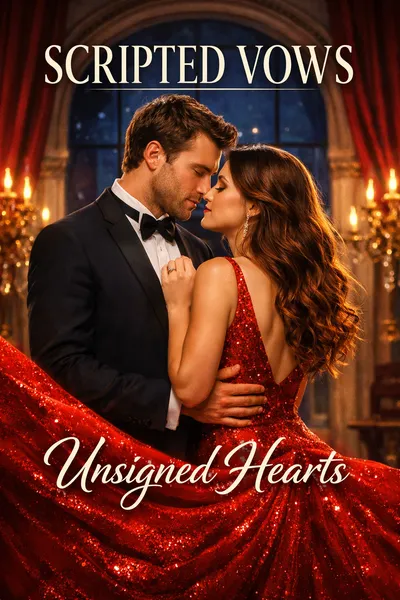
Scripted Vows, Unsigned Hearts
For the antagonism-under-contract reader. They signed something that forces them together, and the loathing has nowhere to go but sideways into wanting.
Read on Great Novels →The middle gear. Forced together by a signed agreement, with loathing that keeps sliding into want it can't account for.
№ 03
Numbers Written in Blood
The high-stakes end of the shelf. When the enemies are genuinely dangerous, the surrender costs something — and this one makes you feel the price.
Read on Great Novels →The sharp end. Here the opposition is armed and the truce stays provisional, so giving in carries real risk — you clock every inch of the distance closing before it does.
Find your next obsession
Hundreds of serialized novels. Read free, one chapter at a time.
FAQ